Energy efficiency – what is it?
It refers to a way of using energy that is rational or as optimal as possible. Its purpose is to reduce the amount of energy needed to deliver products and services and, consequently, to limit greenhouse gas emissions into the atmosphere. One of the most well-known examples of applying energy efficiency is the thermal modernisation of a building – good insulation allows for the use of less energy for heating or cooling. As a result, less fuel is consumed, fewer pollutants are emitted into the atmosphere, and operating costs are reduced.
What can you do to improve energy efficiency in your premises?
Lower the temperature
in rarely used rooms or during periods of extended absence from home.
Air your rooms efficiently
Open windows wide for a short time rather than ventilating for long periods.
Use a dishwasher
instead of washing dishes by hand.
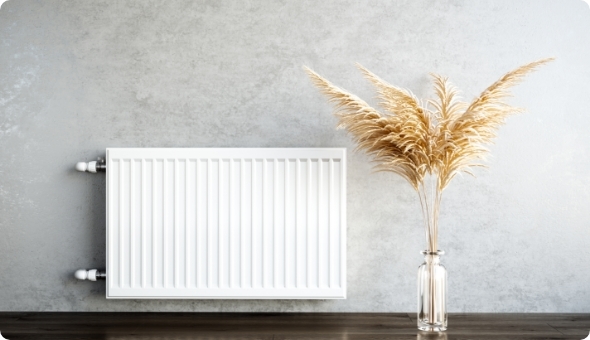
Free the radiator
remove covers or draw back curtains so that heat can fill the room more quickly.
Take a shower
instead of taking a bath. You will use less hot water and therefore less energy to heat it.
Make use of the sun
on sunny days, uncover the windows and let the sun heat your home.
The list of measures aimed at improving energy efficiency is set out in Article 19 of the Act of 20 May 2016 on energy efficiency:
The following types of measures serve to improve energy efficiency:
- insulation of industrial installations;
- refurbishment or renovation of a building, including its technical installations and equipment;
- modernisation or replacement of:
- lighting,
- equipment or installations used in industrial and energy processes,
- telecommunications or IT systems,
- local district heating networks and local heat sources,
- equipment intended for household use,
- vehicles used for road or rail transport;
- energy recovery, including energy recovery in industrial processes;
- reduction of losses:
- related to the consumption of reactive power,
- network losses related to the transmission or distribution of electricity, natural gas or liquid fuels,
- transformation losses,
- losses in district heating networks,
- losses related to power supply systems for telecommunications or IT equipment,
- losses related to the storage and handling of liquid fuels.
The use of energy generated from renewable energy sources for heating or cooling buildings, useful heat from high-efficiency cogeneration, or waste heat from industrial installations.
Legal basis:
- Act of 10 April 1997 – Energy Law (Journal of Laws of 2021, item 716), Article 5(6c)
- Act of 20 May 2016 on Energy Efficiency (Journal of Laws of 2021, items 468 and 868)



 Menu
Menu