


 Menu
Menu 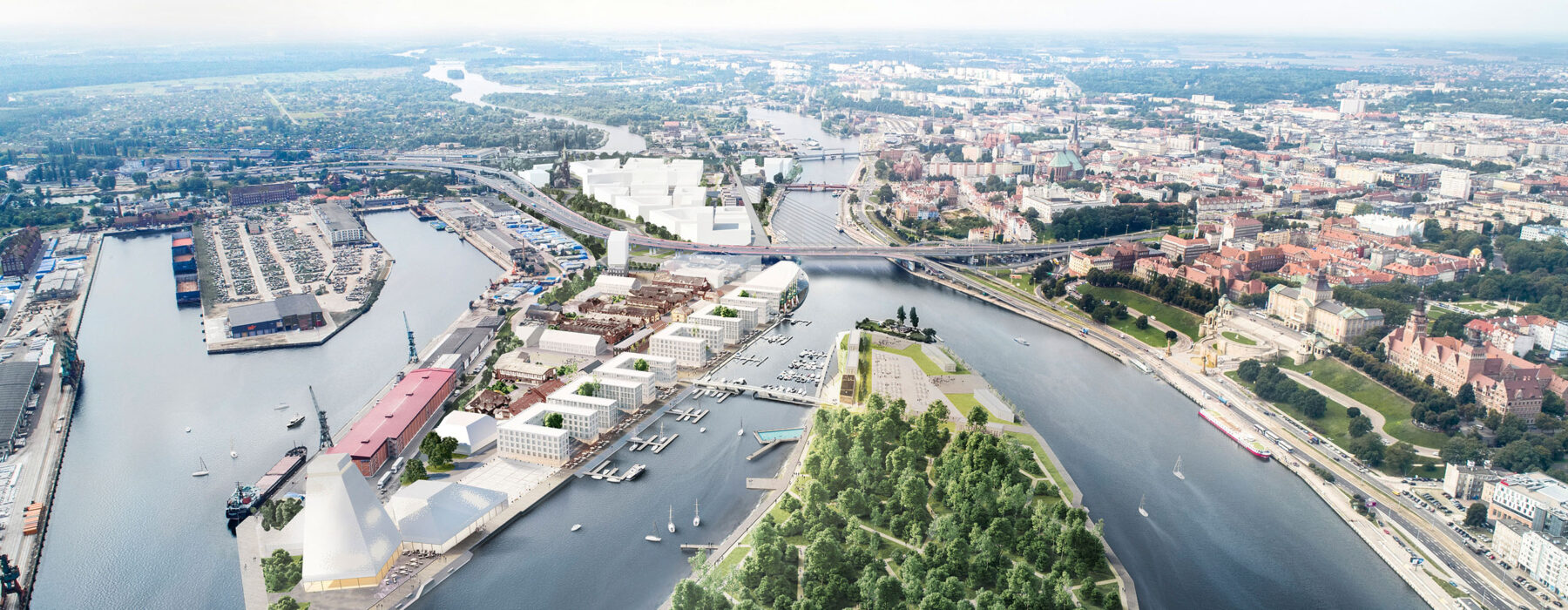

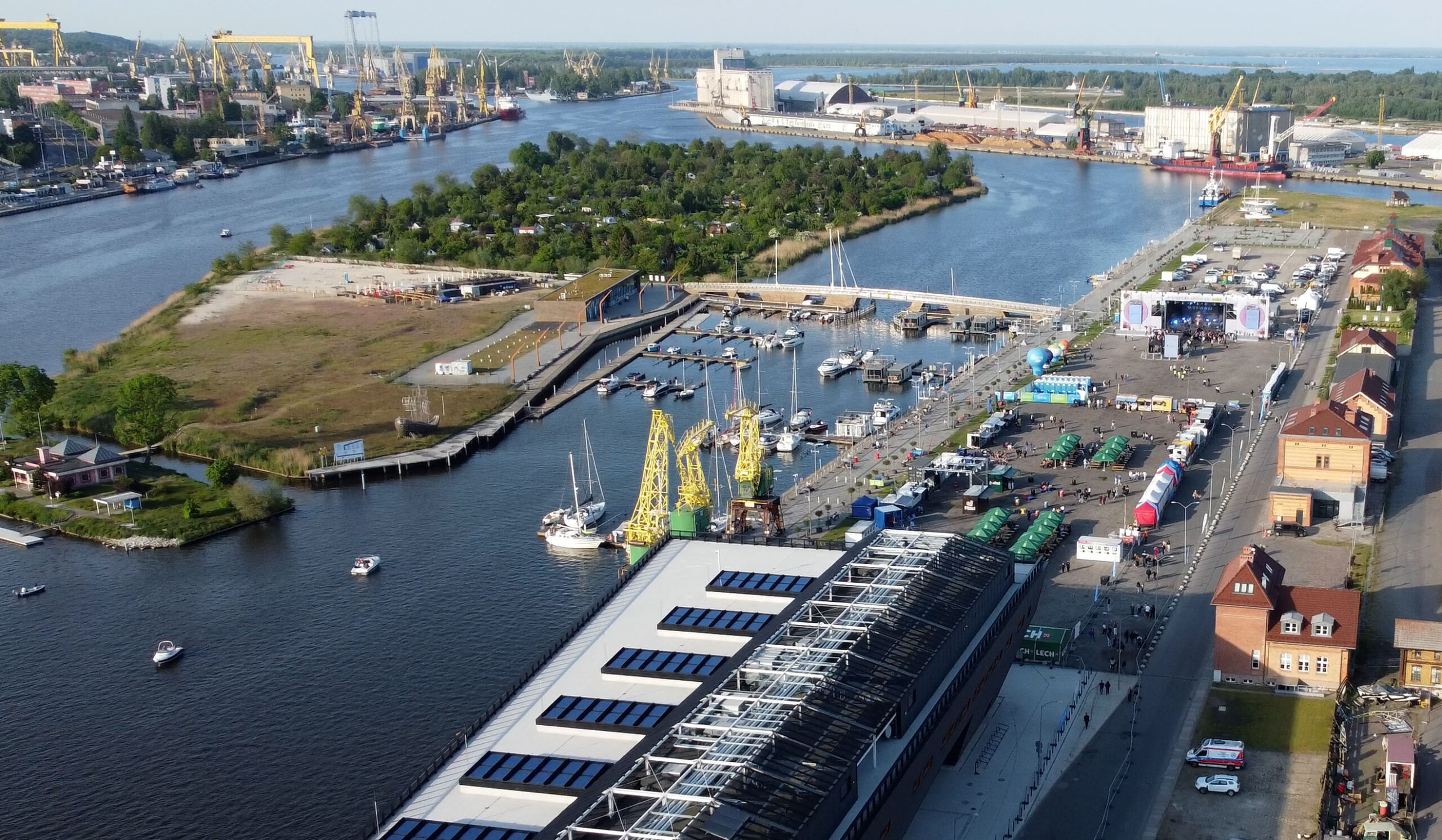
We created a modern, intelligent, low-temperature district heating system at the Łasztownia district using locally occurring waste heat, heat pumps, renewable sources, in which we will store waste energy.

With waste energy generators as well as potential consumers, we have created a network in which the local heat network enables flexible energy use and the development of prosumer relationships. Working together in this area has allowed us to integrate heating and cooling processes using heat pumps, solar radiation and waste heat. In addition, we are supporting alternative transport at Łasztownia through electric vehicle charging stations.
One of the most interesting parts of the city was created, with infrastructure that is unique in the country, providing both heating and cooling.
Waste heat, heat and cold storage facilities, a multi-facility organism in which heat and cold flows intersect and complement each other. This is not a vision of the distant future, but a heating system that is already in operation in Szczecin’s Łasztownia district.
In mid-October 2022, an innovative fifth-generation (5G) district heating system modelled on Sweden’s Medicon Village began operating. This is the first time that ectogrid™, E.ON’s proprietary project, has been launched outside Sweden, where it originated.
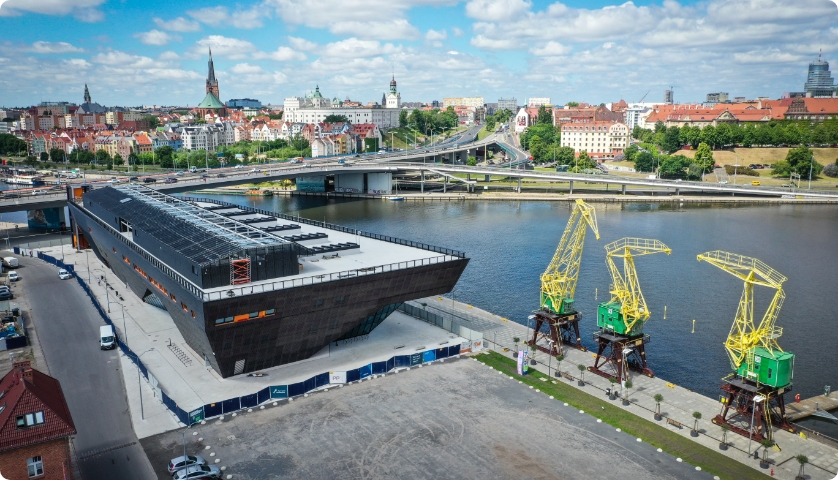
The Morskie Centrum Nauki (MCN), a heat consumer, is the latest and most innovative cultural and educational infrastructure facility for the popularisation of science based on the maritime economy and history of Western Pomerania. The supply of heat and cold via low-temperature district heating networks proved to be an economically and socially interesting solution for the MCN, so although other energy solutions were initially planned, ectogrid™-based solutions were finally chosen.
This is the first solution of its kind in Poland, and its implementation in Szczecin was possible thanks to the fact that the creator of the technology, E.ON, is a shareholder and partner of Szczecińska Energetyka Cieplna. The system has been in operation since autumn 2022, so we are observing all the details with particular attention. The first year of operation is a time of testing, research, observation and learning how the system works in our conditions.
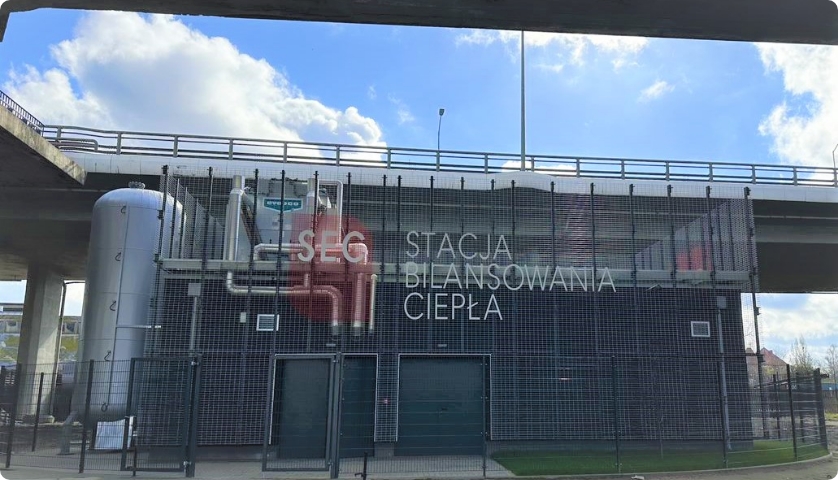
The heat supply to the MCN takes place through the Heat Balancing Station (SBC), which reduces the parameters of the heating medium to the requirements of the low-temperature network and stores the excess energy.
New generation district heating network
3GDH 3rd generation heating network
Water network where the temperature of the heating medium does not exceed 100ºC. The parameters of the network are adjusted to the parameters of the internal installation of buildings. Currently, the temperature of the network is most often determined by the need to prepare domestic hot water. The minimum network temperature for preparing hot water without the use of additional sources in the node is 65°C.
5GDH 5th generation heating network
Ultra-low temperature water network. The temperature of the medium does not exceed 50ºC. The parameters of the ultra-low temperature network are constant and are not directly related to the design temperatures of building installations. Under special circumstances, the heating medium can also be used to supply cooling systems. For this purpose, the network should have variable parameters depending on the season. During the heating season, the temperature should be raised, and in the summer, the medium should be cooled.
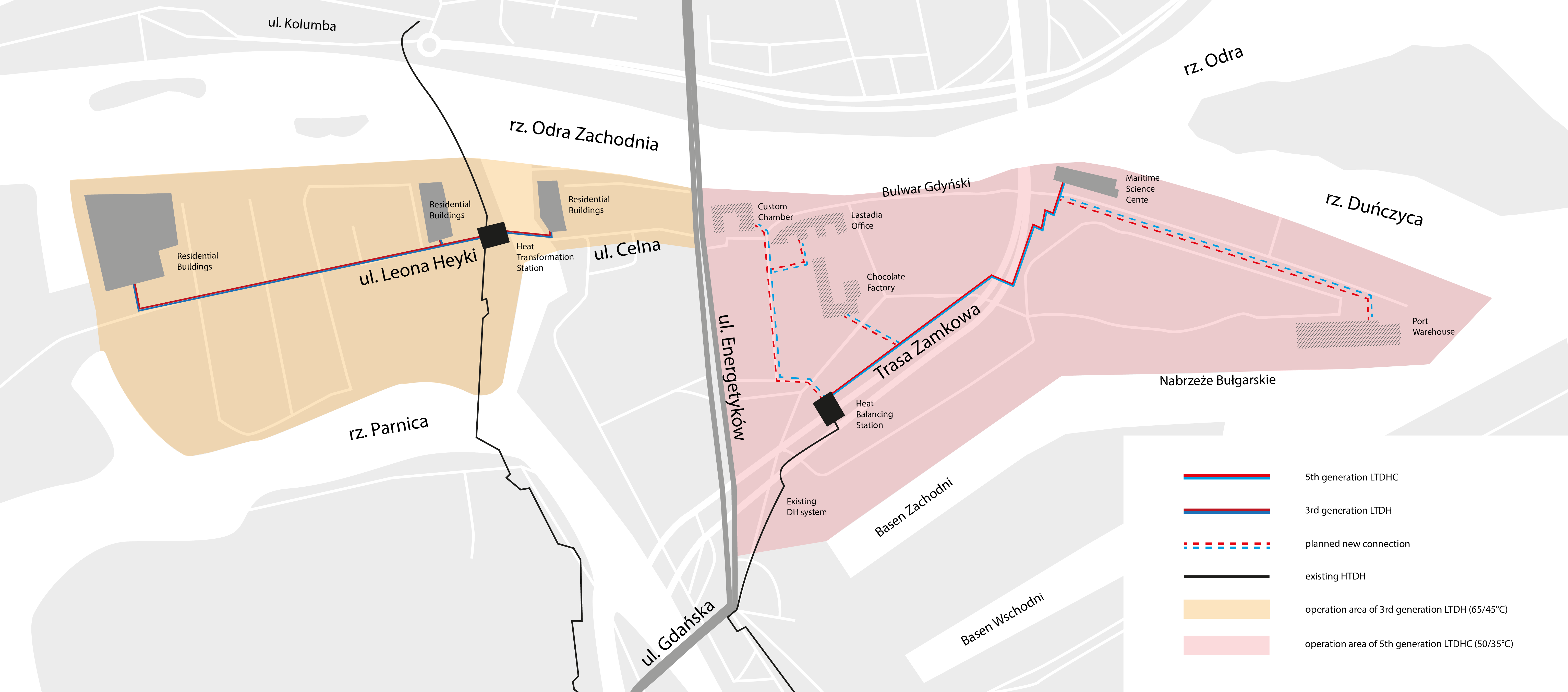
Area of operation of low-temperature networks

This project has received funding from the European Unionunder the Horizon 2020 Research and Innovation Programme from the REWARDHeat project under grant agreement 857811
